
Blog · Septic Pumping
The real cost of putting off septic pumping
Published June 16, 2026 · Updated October 12, 2026 · By the Atteberry Industries crew, Show Low, AZ
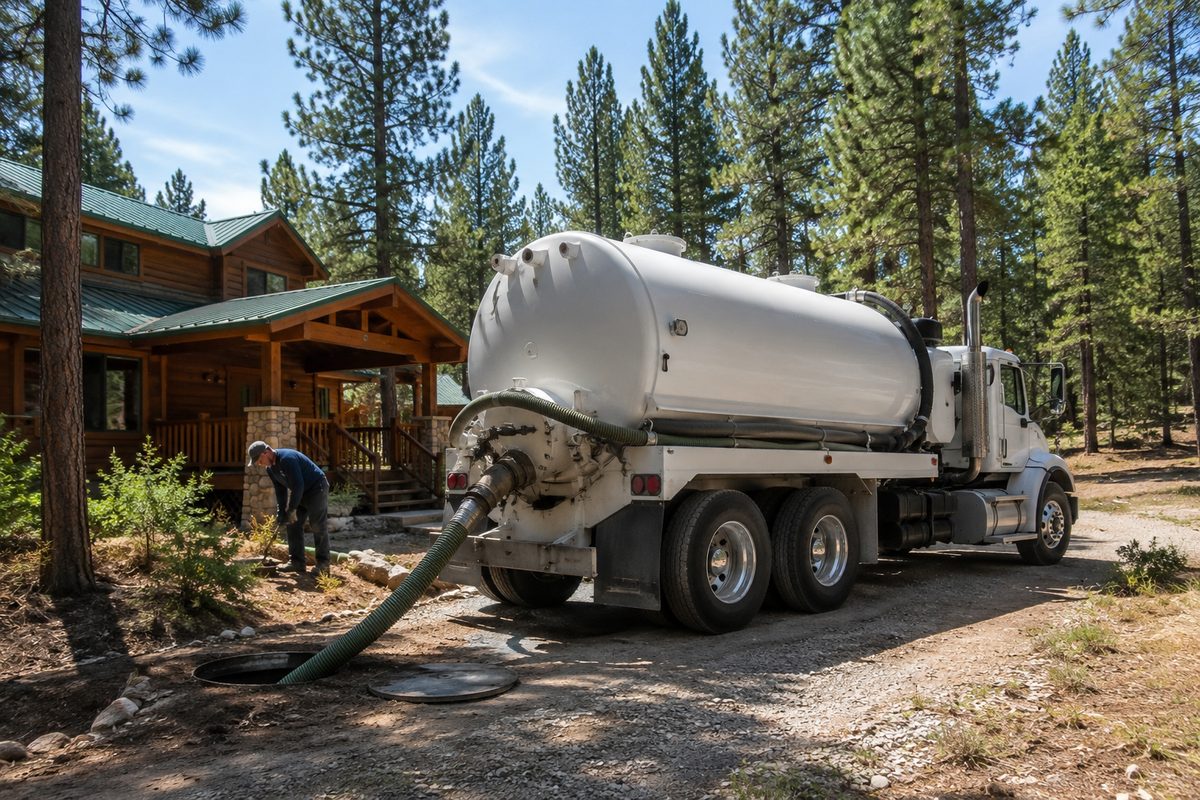
Short answer: Skip septic pumping long enough and solids build up until they flow out of the tank into the drainfield, clogging the soil that's supposed to absorb wastewater. Once that happens, water backs up into tubs and toilets, and the fix goes from a $400-$700 pump-out to a drainfield replacement that can run into five figures.
What's actually happening inside the tank when you wait
Every tank separates solids into a sludge layer on the bottom and a scum layer on top, with clear water in between flowing out to the drainfield. Pumping removes both layers before they build past the outlet baffle.
Wait past the recommended interval — usually 3 to 5 years for a household tank, sooner for a full-time rental or a cabin that gets hammered on holiday weekends — and sludge climbs high enough to wash out with the effluent every time someone runs a load of laundry or flushes.
Once solids are in the drainfield lines, they don't come back out. The gravel and soil that used to pass water freely start clogging with a biomat of solids, and that's not something a pump truck can undo.
The warning signs show up before the backup does
Slow drains in more than one fixture at once, gurgling in the pipes, a soggy patch over the drainfield, or a sewage smell near the tank lid are all signs the tank is past due. Any one of these on its own can mean something smaller, but two or three together usually mean the tank needs to be pumped now, not next month.
- Toilets that flush slow or need a second flush
- Standing water or unusually green grass over the leach field, even in a dry month
- Gurgling sounds from drains when the washing machine runs
- Sewage odor near the tank or in the yard after rain
How long can you actually go without pumping in the White Mountains
There's no universal number — it depends on tank size, household size and how much the system gets used, but most homes around Show Low, Pinetop-Lakeside and Snowflake land in the 3-to-5-year window. Vacation rentals and cabins that sit empty most weeks then get slammed on weekends often need more frequent service, not less, because the tank never gets a slow, steady load it can process evenly.
Homes on well water with a garbage disposal running food waste into the tank should lean toward the shorter end of that range. So should any property where the tank hasn't been located or serviced in longer than five years — at that point we're locating the tank as much as pumping it.
What a full backup actually costs versus routine pumping
As of 2026, typical range for routine pumping runs a few hundred dollars depending on tank size and access. A drainfield that's failed from years of neglect is a different category of expense — it usually means excavation, new distribution lines and, on some Navajo and Apache County lots, a new permit before any of that work can start.
We've pumped tanks in Snowflake and Taylor where the owner waited because "it wasn't backing up yet," only to find the outlet baffle already gone and solids sitting in the first 10 feet of drainfield pipe. That's the difference between a routine visit and a repair estimate nobody wants to hear.
Winter and monsoon season change the math
Frozen ground from December through March and saturated soil during July-September monsoon runoff both reduce how well a marginal drainfield can absorb water, so a tank that's overdue going into either season is more likely to back up during it. If your tank is due and you're heading into winter at 6,000-7,000 feet, get it pumped before the ground locks up — digging out a frozen lid to deal with an emergency backup is a much worse job than a scheduled visit.
Questions people ask us on the phone
How do I know if my septic tank is overdue for pumping?
Slow drains, gurgling pipes, soggy ground over the drainfield or a sewage smell near the tank all point to an overdue tank. If it's been more than 5 years, or you don't know when it was last pumped, it's due for an inspection.
Can a septic tank recover after years without pumping?
The tank itself can usually be pumped clean and put back into service. The drainfield is the bigger risk — once solids clog the soil there, that damage is often permanent and requires repair or replacement.
Is it more expensive to fix a backup than to pump on schedule?
Yes, usually by a wide margin. Routine pumping is a few hundred dollars; a failed drainfield from years of neglect can mean excavation and permitting costs several times that.
How often should a vacation rental septic tank be pumped?
More often than a full-time home in many cases, because occupancy swings from empty to overloaded on weekends. We look at booking patterns, not just calendar years, when we set a schedule for rental properties.
Related reading: Septic Pumping · Septic Repair · Emergency Septic Service · Show Low
Need this handled instead of read about? See Septic Pumping or call (928) 242-2802.